Golden Hour Nature Photography: Professional Shooting Tips
In short
- Golden hour is the time near sunrise and sunset when sunlight is at its softest and warmest, giving photos warm tones and gentle shadows.
- Its length depends on season, latitude and weather; at around 40 degrees latitude in March it lasts about an hour, and it gets shorter closer to the equator.
- Low ISO (100-200), an aperture of f/8 to f/16 and a tripod are the core settings for sharp, striking golden hour images.
- Light adjustments to colour balance, contrast and sharpness bring out golden hour’s warm tones in editing.
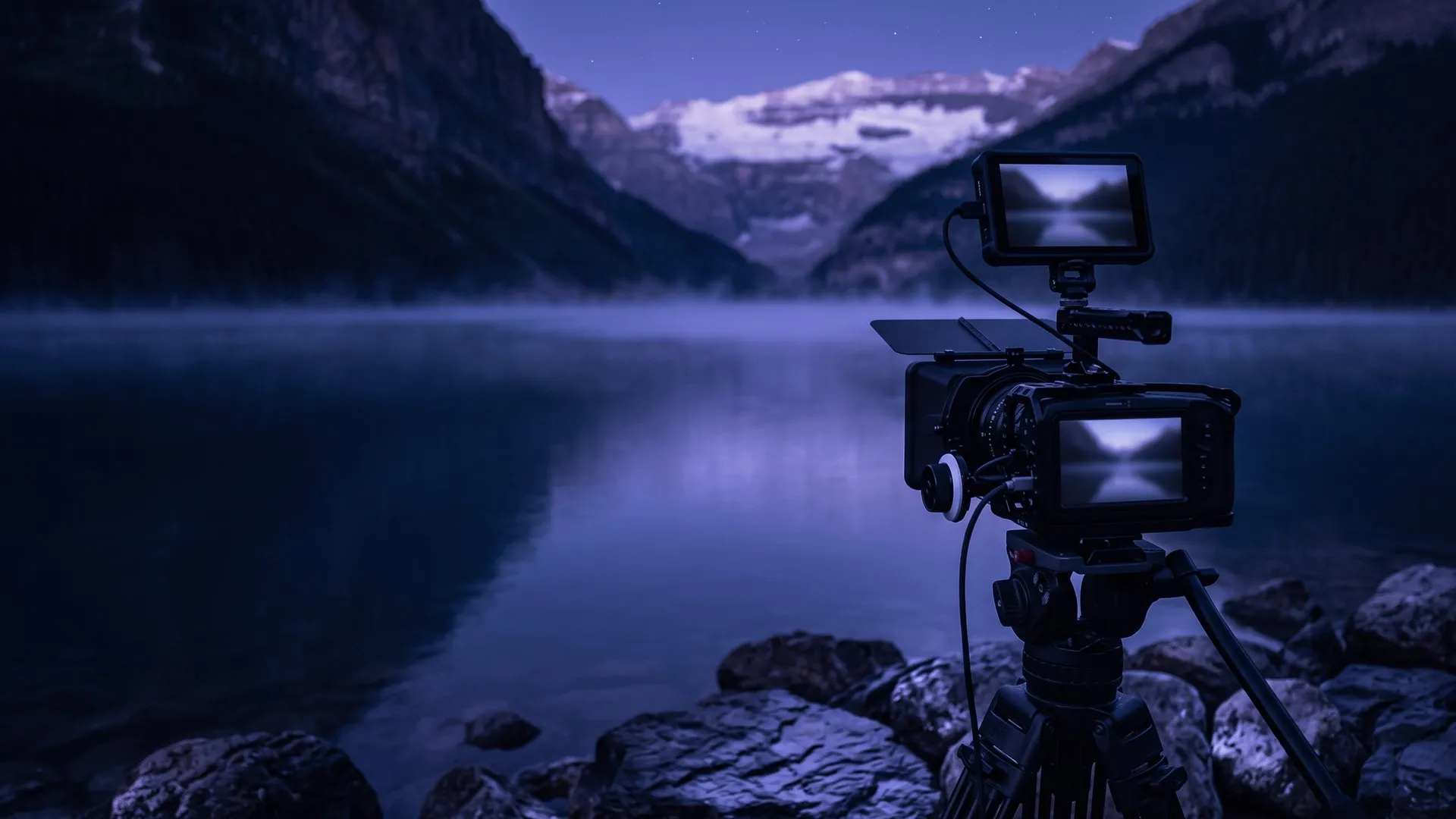
Nature photography is a branch of photography where art and technical skill come together to capture the beauty and detail of the natural world. The right light, composition and timing are the keys to striking nature photos, and the period known as “golden hour” delivers some of the best results. It happens around sunrise and sunset, when the sun is low, and its light gives images warm tones, soft shadows and a captivating atmosphere. In this article we look at why golden hour matters and how to make the most of it.
What is golden hour and why does it matter?
Golden hour is the time just before or after sunrise and sunset when sunlight is at its softest and warmest. Its light adds soft shadows, warm colour and a dramatic feel. In nature photography it shows landscapes at their most beautiful, and the effect is especially clear in wide scenes such as mountains, forests and lakes.
Timing and planning
Golden hour is short, and its length changes with the season, your location and the weather. Planning is essential: check sunrise and sunset times in advance and be in position before the light arrives. Cloud cover also affects the quality of light, so check the forecast on the day.
The numbers show how much it varies. According to timeanddate.com, golden hour’s warm light occurs when the sun is between 6 degrees below and 6 degrees above the horizon. At around 40 degrees latitude (New York, for example) it lasts about an hour in March, while at around 60 degrees (Oslo) it lasts more than 90 minutes in the same period (timeanddate.com). Closer to the equator the sun rises and sets more steeply, so in places like Dubai or Riyadh the window is shorter still. Either way, there is little time to spare.
Composition and perspective
Composition and perspective make golden hour images stand out. A wide-angle lens captures the whole landscape, while a telephoto lens isolates a single detail. Decide how you want to use the light: putting the sun in the frame creates drama, while keeping it behind you lights the scene softly and evenly.
Which camera settings to use at golden hour
The right settings are essential for the best results. Keep ISO low (100-200) for maximum image quality. Use an aperture of around f/8 to f/16 to control depth of field. Set the shutter speed according to the light; because golden hour light is softer, you may need longer exposures, which makes a tripod a must.
Post-processing and editing
Editing is where a nature photo takes its final shape, which makes post-production a critical step. Golden hour images are naturally rich and warm, but light adjustments can bring those tones out further. Fine-tune colour balance, contrast and sharpness, and remove distracting elements to strengthen the focal point.
Conclusion
Golden hour is when nature photography is at its most striking. Its light adds warm, dramatic tones and shows landscapes at their best. Careful timing, good planning, the right settings, creative composition and thoughtful editing all raise the quality of what you capture. Nature photography takes patience, observation and skill, and golden hour gives you the ideal chance to bring them together.
Sources
- timeanddate.com, Golden Hour.
This article was adapted into English from the Turkish original. Read in Turkish
You may also like
Advertising Photography: How Creativity Carries Your Brand Message
How does creativity in advertising photography strengthen a brand message? Concept, colour, composition, light, models and post-production.
Creative Fashion Photography Techniques: Telling Stories with Images
How to tell a story through fashion photography: creative techniques with light, composition, colour, movement and model expression that capture a brand’s spirit.
360 Product Photography: The New Standard for E-commerce
What is 360-degree product photography and how is it shot? Its effect on customer experience, returns and SEO in e-commerce, and how to use it well.