Web Design Trends: Mobile-First, User-Focused Design
In short
- Web design trends centre on mobile-friendliness and user-focused experiences; users expect fast, intuitive, good-looking sites.
- Since 5 July 2024 Google crawls sites only with its smartphone crawler; content that does not load on mobile cannot be indexed.
- Minimalist design and dark mode make it easier for users to focus and give a site a modern look.
- Micro-interactions and AI-powered personalisation help users build a stronger connection with a site.
An effective, innovative web design matters more than ever for a strong online presence. Today’s web design trends centre on mobile-friendliness and user-focused experiences. Users increasingly expect fast, intuitive, attractive websites, and designers and developers are adopting the latest technology and trends to meet those expectations and get the most out of user experience (UX). In this article we look at the leading web design trends, the importance of mobile-friendliness and user-focused design approaches.
Mobile-friendly, responsive design
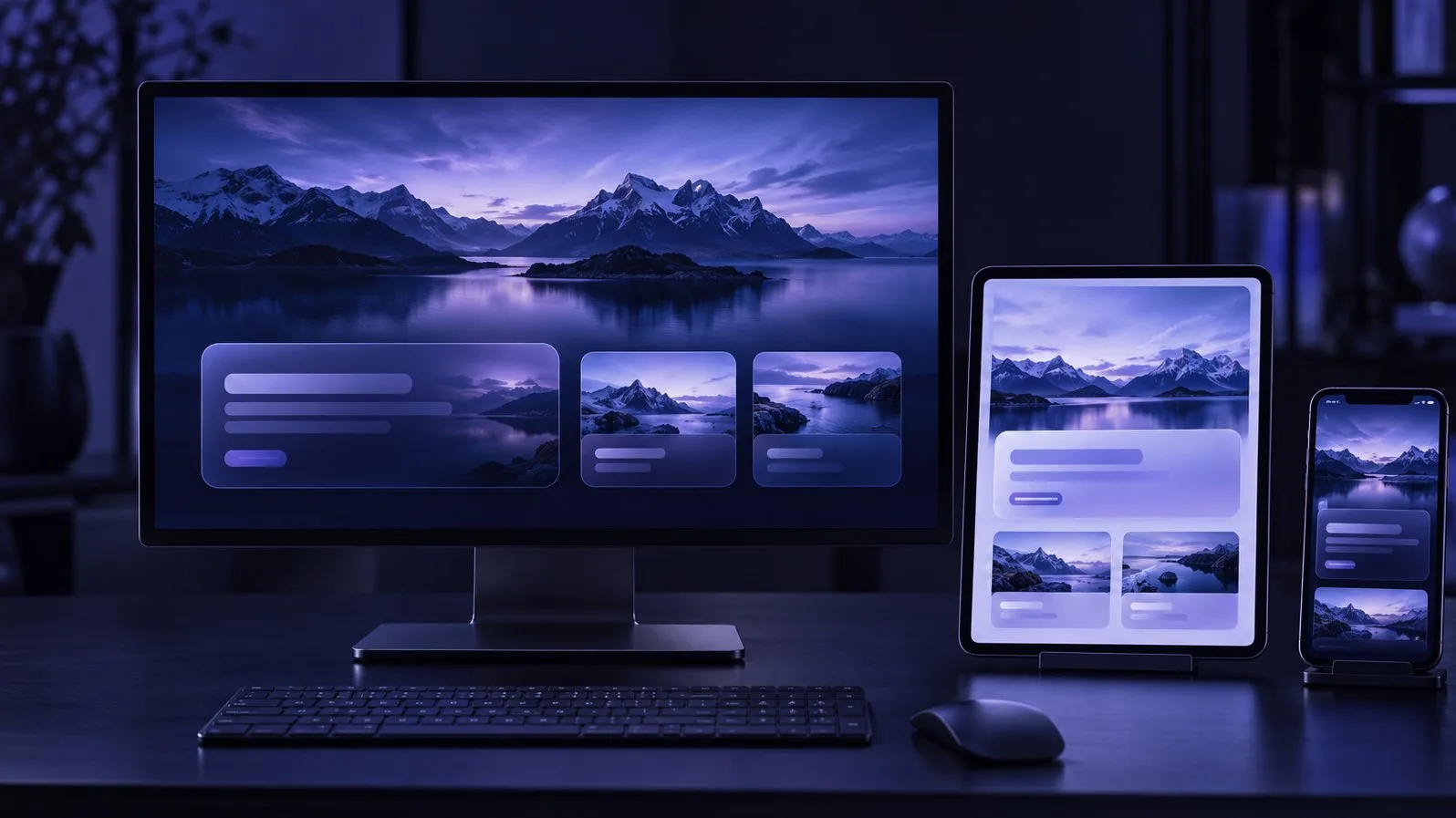
Mobile-friendly design is more important than ever. With most internet traffic coming from mobile devices, adapting to different screen sizes is a critical requirement. Responsive design makes a site display perfectly on desktops, tablets and phones, improving user experience and bringing search engine optimisation (SEO) advantages.
Google is clear about this: from 5 July 2024 it began crawling even the last remaining desktop-crawled sites only with its smartphone crawler (Googlebot Smartphone), and announced that sites whose content does not load on mobile devices at all can no longer be indexed (Google Search Central, 2024).
Turkey is no different. According to DataReportal’s Digital 2026 Turkey report, there were 77.5 million internet users in the country at the end of 2025, or 88.3% of the population, and 81.9 million cellular mobile connections (DataReportal, 2026).
Why minimalist, clean design stands out
Minimalist design removes unnecessary elements so users can focus. A clean, simple interface makes a site easier to navigate and information quicker to find. Today’s minimalist designs stand out for their effective use of white space and simple navigation, offering an attractive experience while also improving performance.
Dark mode and colour palettes
Dark mode keeps growing in popularity. It reduces eye strain and saves battery, and combined with the right colour palette it gives a site a modern, sophisticated look. It has become a favourite option, especially for people browsing at night.
Micro-interactions and animation
Micro-interactions are small animations that enrich the experience as users interact with a site, responding to actions such as clicking a button, scrolling or loading. They are used more and more to help users connect with a site, encouraging them to spend more time on it and interact more. Done well, they stay light and fast and respect users who prefer reduced motion.
How does AI-powered personalisation work?
Artificial intelligence is increasingly used to personalise the web experience. AI tools analyse user behaviour to understand preferences and needs better and offer content and recommendations to match. AI-powered personalisation lets websites offer experiences tailored to each user and builds a stronger connection with them.
Conclusion
Web design trends today centre on mobile-friendliness and user-focused approaches. Responsive design gives users a seamless experience on every device; minimalist design makes sites easy to navigate; dark mode and considered palettes enrich the experience; micro-interactions deepen engagement; and AI-powered personalisation optimises each visit and raises conversion rates.
Adopting these trends helps brands succeed online. An innovative, attractive website that meets users’ needs strengthens a brand’s competitive edge, and mobile-friendliness, user focus and innovation will remain the keys to success.
Sources
- Google Search Central, Mobile-indexing vLast final final (.doc) (completion of mobile-first indexing, June 2024).
- DataReportal (We Are Social, Meltwater), Digital 2026: Turkey.
This article was adapted into English from the Turkish original. Read in Turkish
You may also like
Conversion Rate Optimisation (CRO): 5 Ways to Turn Visitors into Customers
What is conversion rate optimisation (CRO)? Five ways to turn visitors into customers: UX, CTA buttons, A/B tests, trust signals and an easy checkout.
7 Essentials of an Effective Business Website
What does an effective website need? User-friendly and mobile-friendly design, speed, content, strong visuals, security and clear call-to-action buttons.
How to Speed Up Your Website: 5 Ways to Improve User Experience
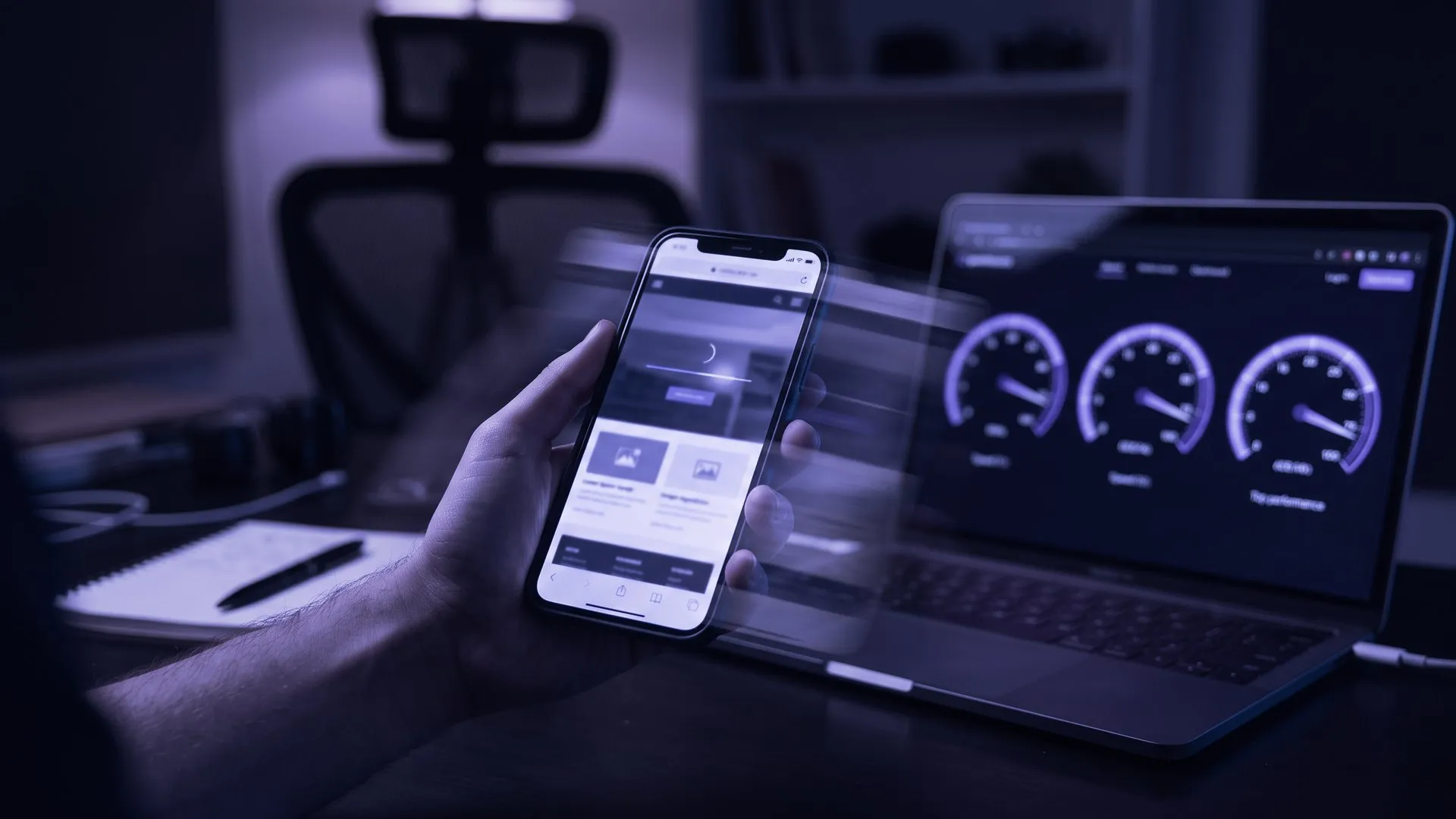
How to make your website faster: image optimisation, caching, a CDN, minified CSS and JavaScript and a faster server response, measured with Core Web Vitals.