E-commerce Product Image Optimisation: How Better Images Increase Sales

In short
- Product images are one of the biggest drivers of buying decisions; in Baymard Institute’s tests, 56% of users looked at the images first on a product page.
- High-resolution images from several angles show every detail and answer the questions in a shopper’s mind.
- 360-degree views and product videos create a more realistic shopping experience.
- Images with optimised file sizes, the right format (JPEG, PNG, WebP), alt text and descriptive file names improve both speed and visibility in image search.
In e-commerce, product images are one of the biggest drivers of buying decisions. Presenting a product properly is critical to catching potential customers’ attention and moving them towards a purchase. The quality of your product images has a big effect on traffic, conversion rates and how people see your brand. In this article we look at how to optimise product images for e-commerce, how that affects sales and the best methods to use.
Competition grows every year. According to Turkey’s Ministry of Trade, e-commerce volume in Turkey grew 52.2% in 2025 to 4.567 trillion lira, and e-commerce now makes up about 19.5% of all trade (Ministry of Trade, 2026).
Why high-resolution images matter
High-resolution images present the product in a professional, high-quality way. They show every detail clearly and help shoppers understand the product. Low-resolution or blurry images, on the other hand, can make a product look cheap or untrustworthy.
User testing confirms this. In Baymard Institute’s usability research, 56% of users started by exploring the product images as soon as they landed on a product page, and 25% of e-commerce sites did not offer enough resolution or zoom to judge the product, even for their most popular items (Baymard Institute, 2020).
Showing products from different angles
Shoppers want to examine a product from every side before they buy. Showing only the front does not give enough information and leaves questions in their mind. Offering images from different angles, including close-ups of the details, makes the decision easier.
Rich media: 360-degree images and video
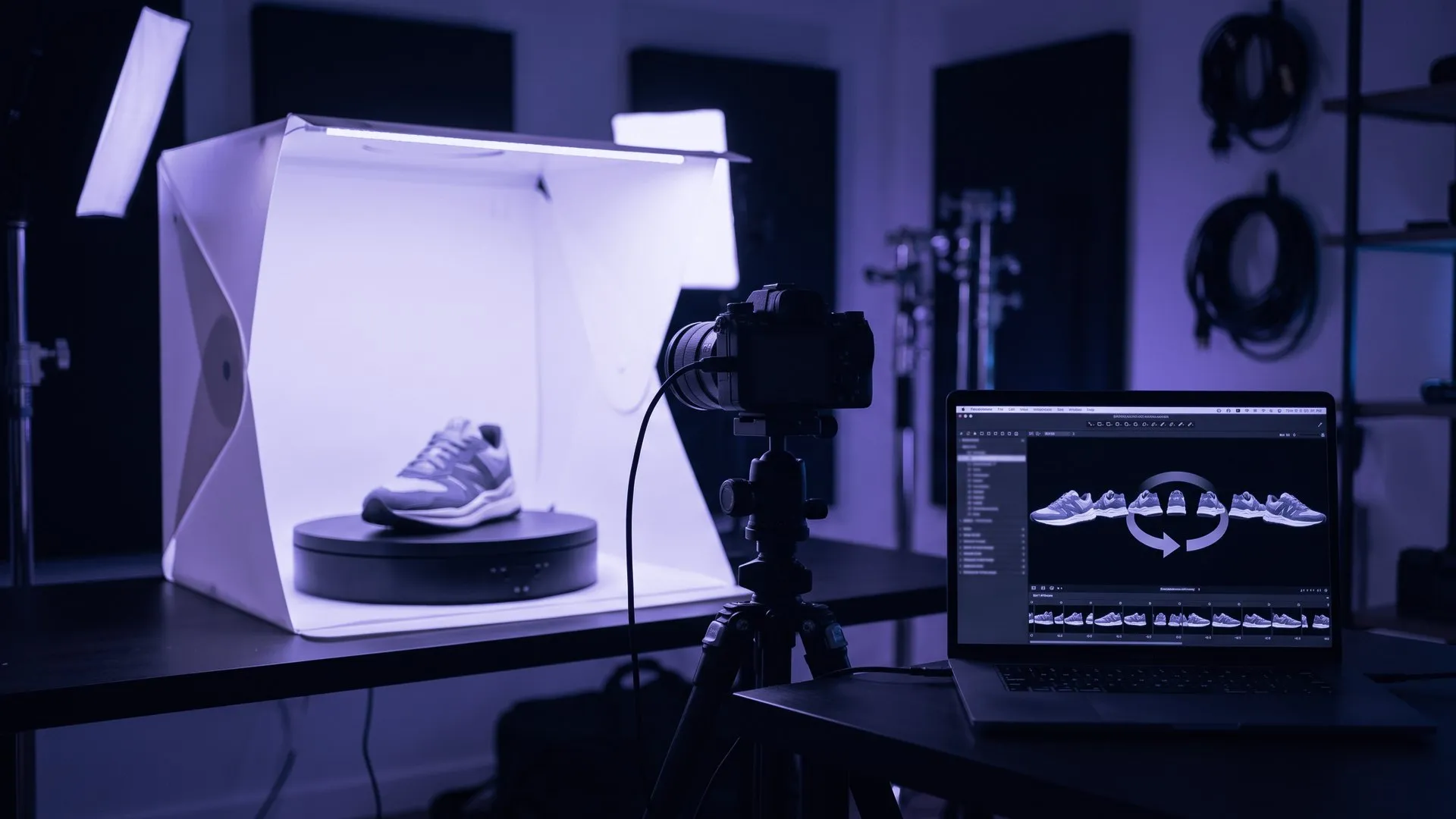
Rich media presents products in a more interactive, engaging way. 360-degree product images let shoppers inspect the product from every angle, while product videos show how it is used and what it can do. This kind of content creates a more realistic shopping experience and has a positive effect on buying decisions.
How fast-loading images improve site performance
Image optimisation is not only about quality; loading speed matters too. Slow images hurt the user experience and make visitors leave, which leads to a high bounce rate and low conversions. Optimising file sizes, using compression and choosing the right formats (such as JPEG, PNG or WebP) keeps images fast.
Images affect speed more than most people think. According to HTTP Archive’s Web Almanac 2025, the largest content element on the page (LCP) is an image on 76% of mobile pages and 85.3% of desktop pages (HTTP Archive, 2025). So how fast the main image on a product page loads largely decides how fast the page feels. We cover this in more detail in our article on ways to speed up your website.
SEO-friendly images: alt text and file names
Making product images SEO-friendly helps e-commerce sites rank higher in search. Alt text helps search engines understand images and increases your visibility in image search. Descriptive file names that include relevant keywords are another factor that strengthens SEO performance.
Conclusion
Optimising product images is one of the most effective ways to increase sales and improve the experience on an e-commerce site. High-resolution images, multiple angles, rich media, fast loading and SEO-friendly images can make a big difference. Together they build trust, make buying easier and raise conversion rates.
As competition in e-commerce grows, image optimisation matters more and more. Optimising your product images well helps you stand out from competitors and grow online sales, and it strengthens your brand image and customer satisfaction along the way.
Sources
- Ministry of Trade of Türkiye, E-commerce volume in Türkiye reached 4.6 trillion lira in 2025 (in Turkish).
- Baymard Institute, Ensure Sufficient Image Resolution and Zoom.
- HTTP Archive, Web Almanac 2025: Performance.
This article was adapted into English from the Turkish original. Read in Turkish
You may also like
360 Product Photography: The New Standard for E-commerce
What is 360-degree product photography and how is it shot? Its effect on customer experience, returns and SEO in e-commerce, and how to use it well.
Photoshop for Product Photography: Essential Editing Techniques
How to use Photoshop for product photos: white backgrounds, colour correction, sharpening, shadows and reflections, retouching, plus the key tools for each.

Product Photography Tips: 5 Things That Make or Break Your Product Images
Product photography tips that sell: lighting, background, angles, resolution and detail shots, plus the image rules Google Merchant Center now enforces.