Cinematic Visual Effects: A Creative Way to Make Your Brand Stand Out
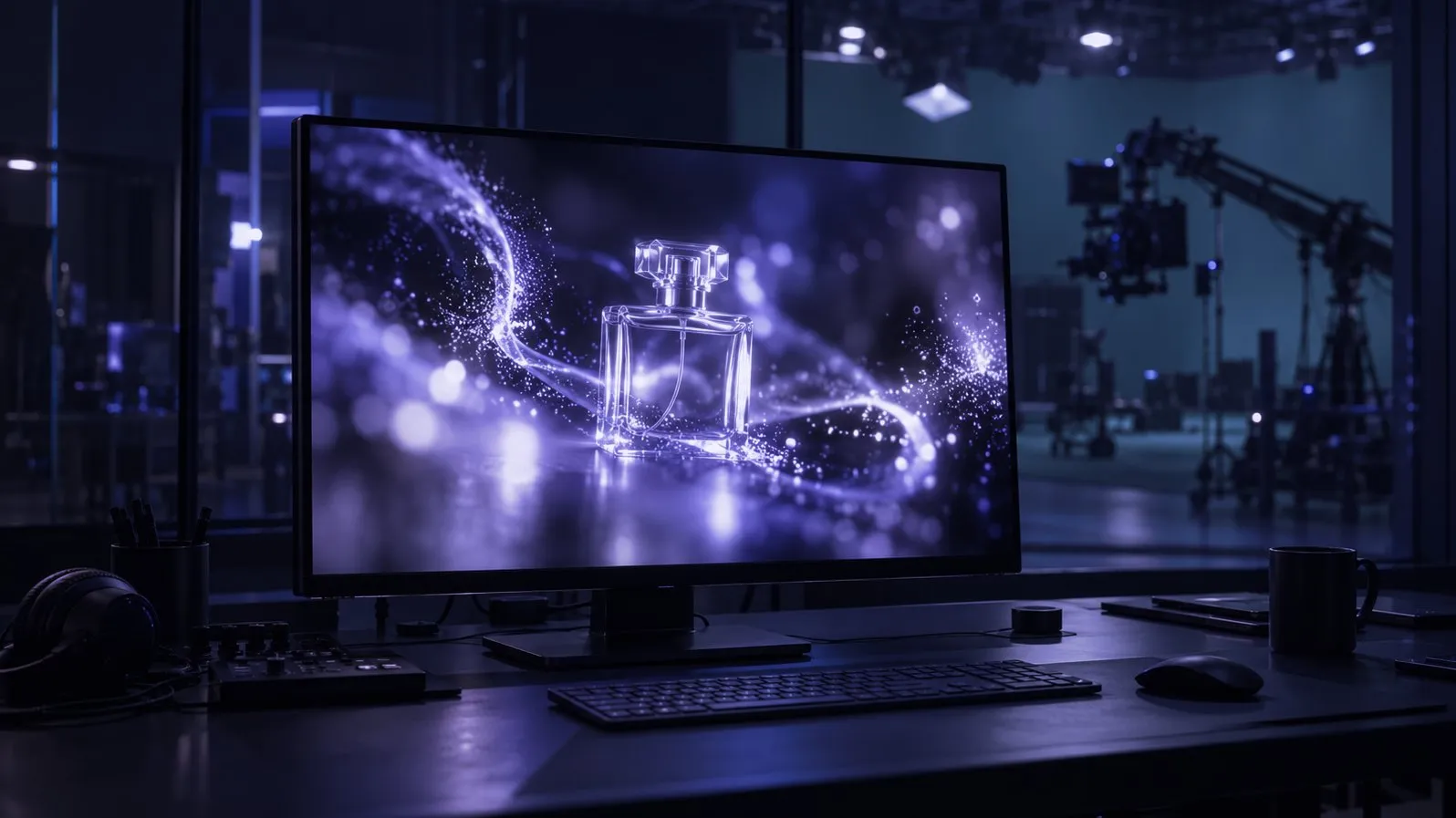
In short
- Cinematic visual effects (VFX) create scenes digitally that would be impossible in the real world, and today they are widely used in advertising and digital marketing.
- VFX turns ordinary ads into memorable experiences, makes complex products easier to understand and sets a brand apart from its competitors.
- Production runs through planning, modelling, animation, compositing and rendering; Autodesk Maya, Blender, Adobe After Effects and Nuke are common tools.
- AI is speeding production up: in Wyzowl’s 2026 survey, 63% of video marketers use AI tools to create or edit videos.
Cinematic visual effects (VFX) have moved beyond the film industry and become a powerful tool in digital marketing, advertising and branding. They help brands tell their stories more effectively, move their audiences and stand out from competitors. Creative use of visual effects strengthens a brand’s message, makes products and services more appealing and leaves a lasting impression. In this article we look at how cinematic VFX is used, what it offers brands and where it works best.
What cinematic visual effects are, and where they came from
Cinematic visual effects are visual elements created or altered digitally to simulate scenes or events that would be impossible in the real world. They have a long history in cinema: first used in big-budget Hollywood films, they gradually spread into advertising and digital marketing. Today they let brands build creative campaigns and give audiences visual experiences they remember.
What do cinematic visual effects do for brands?
VFX helps brands differentiate themselves. It turns ordinary ads into extraordinary experiences, catching attention and drawing viewers into the brand’s message. Brands can tell their stories in a more striking, memorable way, explain complex products or services more clearly and enjoy far more creative freedom, from a product assembling itself in mid-air to a scene that no real location could provide.
Where they are used: commercials and digital campaigns
Cinematic VFX is used widely in commercials, social media campaigns, product launches and branding projects. In commercials it enriches the story and highlights a product’s unique features. On social media it powers short, striking videos. Across digital campaigns it makes content more engaging and shareable.
YouTube is one of the biggest showcases for these campaigns. According to DataReportal’s Digital 2026 Turkey report, YouTube ads could reach 57.9 million users in Turkey at the end of 2025, or 66% of the population (DataReportal, Digital 2026). Video is just as central in the Gulf, where large-scale campaigns for launches and national occasions often lean heavily on visual effects.
The VFX production process and tools
VFX production usually runs through several stages: planning, modelling, animation, compositing and rendering. It relies on 3D modelling software, animation tools and compositing software. Autodesk Maya, Blender, Adobe After Effects and Nuke are among the most widely used, and render engines make the final images high-quality and realistic.
Trends and developments ahead
Artificial intelligence (AI) and machine learning (ML) are shaping the future of cinematic VFX. They speed production up and make more complex visuals possible. Virtual reality (VR) and augmented reality (AR) are widening the uses of VFX and offering audiences more interactive experiences, giving brands new ways to tell visual stories.
The impact of AI can already be measured. According to Wyzowl’s 2026 video marketing survey, 63% of video marketers use AI tools to create or edit marketing videos, up from 51% the year before (Wyzowl, 2026).
Conclusion
Cinematic visual effects are a powerful way for brands to stand out. They turn ordinary ads into memorable experiences and help brands tell their stories in a more striking way, while making digital campaigns more engaging and shareable. Good VFX takes professional tools and expertise, and as AI, VR and AR develop, its uses for brands will only grow.
Sources
- DataReportal (We Are Social, Meltwater), Digital 2026: Turkey.
- Wyzowl, Video Marketing Statistics 2026.
This article was adapted into English from the Turkish original. Read in Turkish
You may also like
Kinetic Typography and Branding: The Power of Moving Text
What is kinetic typography and how do brands use it? Where moving text works, how to create it, accessibility rules and the trends shaping its future.
New Technologies in Visual Content Production: AI, VR/AR, Real-Time Rendering and Drones
How AI, VR/AR, real-time rendering, holography and drones are changing visual content production: a short look at the future of photography and VFX.
VFX and 3D Modelling: The Basics, the Production Pipeline and Rendering
What are VFX and 3D modelling? The basics of the visual effects pipeline: modelling, texturing, animation, green screen, render engines and where they are used.