VFX and 3D Modelling: The Basics, the Production Pipeline and Rendering
In short
- VFX are effects added digitally to filmed footage; 3D modelling is the digital creation of three-dimensional objects and characters.
- The pipeline starts with modelling; models get textures and materials, are brought to life with animation and simulation, and effects are added and scenes combined at the VFX stage.
- Render engines such as V-Ray, Arnold, Redshift and Octane simulate light, shadow and texture to create the realistic final image.
- Besides film and video games, advertising and virtual reality are major fields for VFX and 3D modelling.
VFX (visual effects) and 3D modelling are among the most powerful tools in modern film, video games and digital media. They give audiences worlds of remarkable realism, strengthen storytelling and enrich the visual experience, from building complex scenes to bringing lifelike characters to the screen. In this article we look at the core components of VFX and 3D modelling, where they are used and how they work.
What are the core components of VFX and 3D modelling?
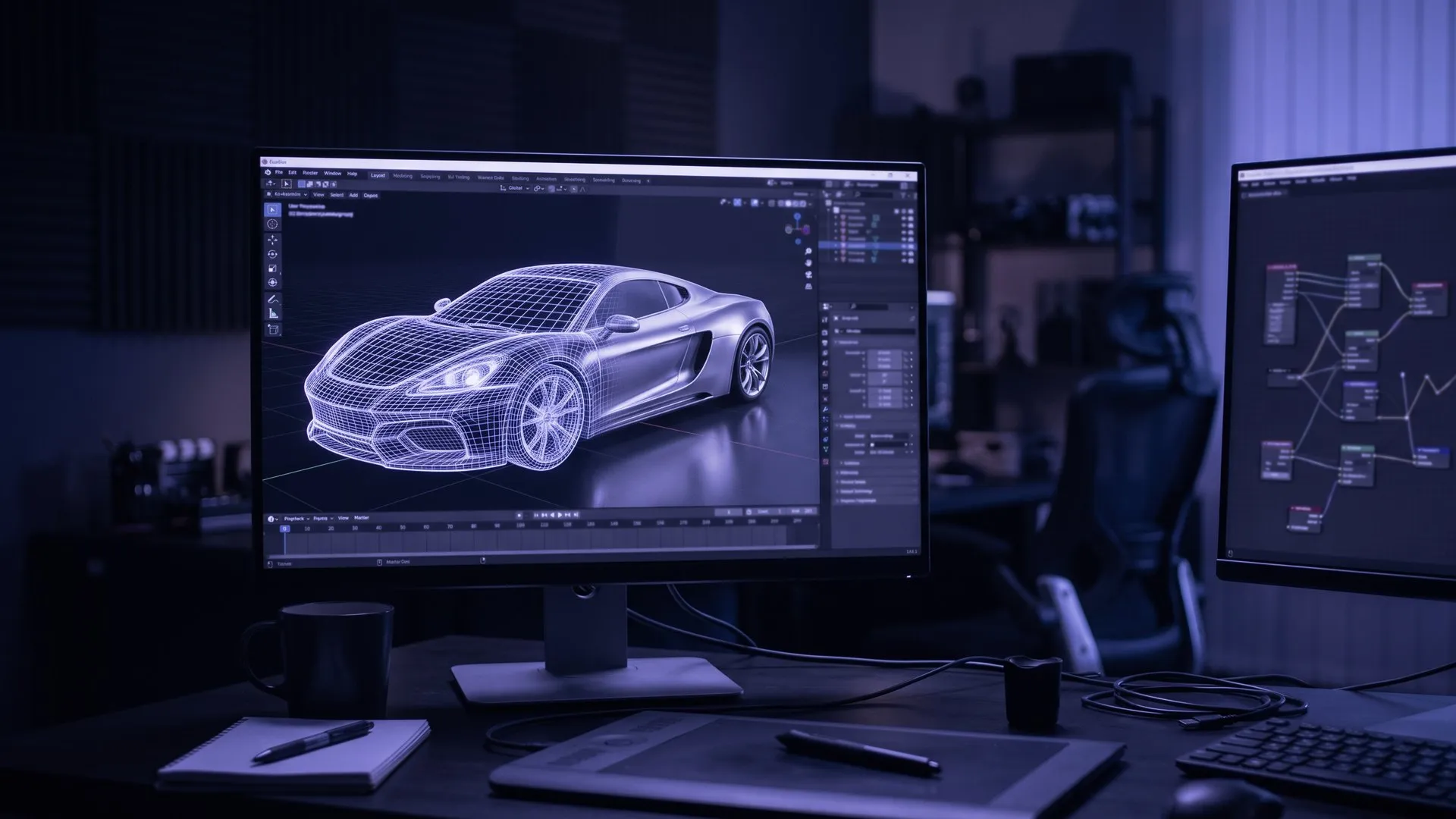
VFX and 3D modelling combine a range of techniques. VFX are special effects added to filmed footage, including scenes that are created or altered digitally. 3D modelling is the process of creating three-dimensional objects and characters in a digital environment. Both rely on 3D modelling software, render engines and animation techniques.
Where VFX and 3D modelling are used
The applications stretch from film and advertising to video games and virtual reality. In film, these technologies create scenes that look impossible and give audiences striking visual experiences. In video games, 3D modelling lets designers build realistic characters, environments and objects.
Studios such as Marvel and Pixar have led the way and made these technologies widely popular.
The same techniques work for brands too. At Karahasanoğlu Medya we produce 3D product animation for commercials and promotional films in Istanbul and handle VFX work in post-production, for clients in Turkey and abroad.
How the VFX and 3D pipeline works
VFX and 3D modelling involve a multi-stage process. The first step is modelling, where objects and characters are built in three dimensions. Next, the models are given textures and materials. Then they are brought to life with animation and simulation. At the VFX stage, effects are added and the scenes are composited together.
Visual effects work often starts with a green screen, which makes it possible to replace the background digitally and add a range of effects.
You do not need expensive licences for every stage. The open-source Blender combines modelling, animation, rendering and VFX/camera tracking tools in one program and is free to use for any purpose, including commercial work (Blender Foundation).
The role of render engines
Render engines play a critical role in producing the final images. Rendering turns 3D models and VFX into the finished frames audiences will see, simulating light, shadow, texture and other visual elements to create realistic results.
Popular render engines today include V-Ray, Arnold, Redshift and Octane. They deliver fast, high-quality renders and speed up digital production.
The standard reference for the physically based rendering these engines rely on is Physically Based Rendering by Matt Pharr, Wenzel Jakob and Greg Humphreys. Its earlier editions won an Academy of Motion Picture Arts and Sciences Scientific and Technical Award in 2014 for their influence on film production, and the 4th edition from 2023 can be read free online (pbr-book.org).
The future of VFX and 3D modelling
VFX and 3D modelling keep evolving with technology. Artificial intelligence (AI) and machine learning are bringing major changes: AI-based tools automate parts of modelling and animation, speed up production and make more complex visuals possible.
Virtual reality (VR) and augmented reality (AR) are shaping the future too, letting users interact with digital worlds in more immersive ways.
Conclusion
VFX and 3D modelling are among the most important building blocks of digital media and entertainment. They give audiences unique visual experiences, enrich storytelling and redefine what looks real. Understanding the pipeline is the key to successful projects, and the right techniques and tools raise their quality significantly. As AI, VR and AR advance, VFX and 3D modelling will keep playing a major role in film, games, advertising and many other fields.
Sources
- Blender Foundation, About Blender.
- Matt Pharr, Wenzel Jakob, Greg Humphreys, Physically Based Rendering: From Theory to Implementation, 4th edition (2023).
This article was adapted into English from the Turkish original. Read in Turkish
You may also like
Cinematic Visual Effects: A Creative Way to Make Your Brand Stand Out
What cinematic visual effects (VFX) do for brands: uses in commercials and digital campaigns, the production process, key tools and the trends ahead.
Kinetic Typography and Branding: The Power of Moving Text
What is kinetic typography and how do brands use it? Where moving text works, how to create it, accessibility rules and the trends shaping its future.
New Technologies in Visual Content Production: AI, VR/AR, Real-Time Rendering and Drones
How AI, VR/AR, real-time rendering, holography and drones are changing visual content production: a short look at the future of photography and VFX.