New Technologies in Visual Content Production: AI, VR/AR, Real-Time Rendering and Drones
In short
- AI tools automate parts of VFX and photo production for faster, more efficient results; in 2026, 63% of video marketers have used AI to create or edit videos.
- VR places the user in a fully virtual space while AR adds digital elements to the real world; both are used from product demos to interactive storytelling.
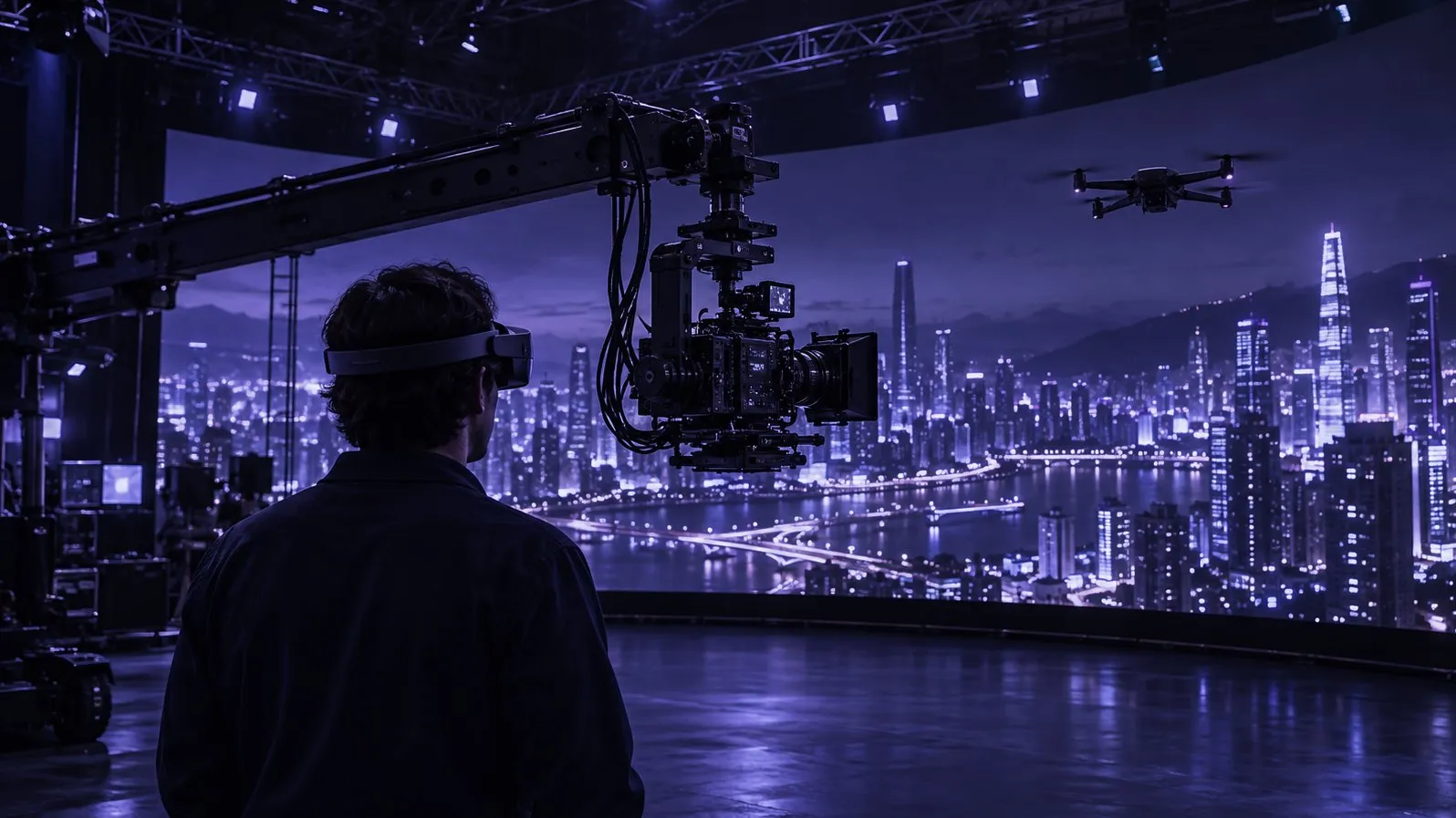
- Real-time engines such as Unity and Unreal Engine render images instantly, making virtual production and fast feedback possible.
- Drones open up angles that were once out of reach; in Turkey, drones of 500 grams or more must be registered with the civil aviation authority.
Visual content has become an essential part of digital marketing, film, advertising and social media. How striking it is depends directly on the quality of the technology behind it and the creativity of the people using it. New technologies in VFX (visual effects) and photography make content more striking, realistic and effective. In this article we look at the technologies shaping the future of VFX and photography and where they are being used.
How is AI changing VFX and photography?
Artificial intelligence (AI) is bringing major changes to VFX and photography. AI-powered tools automate parts of the process, delivering faster and more efficient results. AI analyses scenes and images, adjusts light and colour automatically and can even apply complex effects.
The shift is happening fast on the marketing side too. According to Wyzowl’s 2026 video marketing survey, 63% of video marketers have used AI tools to create or edit marketing videos, up from 51% a year earlier (Wyzowl, 2026).
Virtual and augmented reality (VR and AR)
Virtual reality (VR) and augmented reality (AR) are becoming more important in visual content. VR lets users interact in a fully virtual environment, while AR enriches the real world with digital elements. Both open new opportunities in VFX and photography and are used for everything from product demos to interactive storytelling.
Real-time rendering
Real-time rendering is a breakthrough for VFX and photography. It generates images instantly, speeds up production and gives teams much faster feedback. In video games, animated films and live broadcasts it delivers high-quality visuals quickly.
Engines such as Unity and Unreal Engine use this technology to offer powerful tools for virtual production, and they will play a major role in the future of VFX and photography.
Holographic imaging and 3D photography
Holographic imaging and 3D photography add a new dimension to visual content. Holographic technology creates three-dimensional images that give viewers a realistic experience. 3D photography captures objects and scenes in three dimensions so they can be used in virtual or augmented reality.
These technologies have great potential for product presentations, museums, education and entertainment.
Drone photography and cinematography
Drones have become one of the most innovative tools in visual content. They capture angles that were once out of reach and have opened a new era in aerial photography and cinematography. In nature documentaries, real estate promotion and event filming they produce striking, high-quality images.
Drones will keep an important place in the future of VFX and photography, but always check local rules before flying. In Turkey, the Directorate General of Civil Aviation (SHGM) requires drones of 500 grams or more to be registered in its online system (SHGM, SHT-İHA, in Turkish). The UK, the UAE and Saudi Arabia have their own registration and permit requirements, and rules change from time to time, so check the current version before every shoot.
Conclusion
New technologies are transforming VFX and photography. AI, virtual and augmented reality, real-time rendering, holographic imaging and drones are setting the trends for the years ahead. They make visual content faster to produce, higher in quality and more engaging, and they give audiences richer, more interactive experiences. Creators who follow these developments and bring them into their projects will have a clear advantage.
Sources
- Wyzowl, Video Marketing Statistics 2026 (State of Video Marketing survey).
- Directorate General of Civil Aviation of Türkiye (SHGM), Unmanned Aircraft Systems Instruction (SHT-İHA) (in Turkish).
This article was adapted into English from the Turkish original. Read in Turkish
You may also like
Cinematic Visual Effects: A Creative Way to Make Your Brand Stand Out
What cinematic visual effects (VFX) do for brands: uses in commercials and digital campaigns, the production process, key tools and the trends ahead.
Kinetic Typography and Branding: The Power of Moving Text
What is kinetic typography and how do brands use it? Where moving text works, how to create it, accessibility rules and the trends shaping its future.
VFX and 3D Modelling: The Basics, the Production Pipeline and Rendering
What are VFX and 3D modelling? The basics of the visual effects pipeline: modelling, texturing, animation, green screen, render engines and where they are used.