Commercial Production Tips: What to Get Right Before, During and After the Shoot
In short
- A successful commercial depends not only on a creative idea but on careful technical and strategic planning throughout the shoot.
- The first step is defining your target audience and the platforms they use; in Turkey, YouTube and Instagram are among the most used apps.
- A creative concept, a script with natural dialogue, the right equipment, light and sound set the quality; post-production sets the pace and mood.
- Running a test before launch and collecting feedback helps you spot gaps and improves the film’s chance of success.
Commercials are one of the most effective tools brands have to reach their audience, introduce a product or service and build awareness. But shooting a successful commercial takes more than a creative idea: there are many technical and strategic factors to get right throughout the production. A commercial has to be planned carefully so it delivers the brand’s message clearly, grabs attention and triggers an emotional response. In this article we look at the key things to watch when shooting a commercial, with examples from industry practice.
Defining the target audience
The first step in any commercial shoot is to define your target audience clearly. A detailed look at their demographics, interests, needs and expectations lets you shape the message correctly. While defining the audience, also consider which platforms they use and what kind of content they engage with. This shapes both the content and the distribution strategy of your commercial.
In Turkey, video-first apps lead the way. According to TÜİK’s 2026 Household ICT Usage Survey, 92.3% of people aged 16-74 use the internet; among the most used apps, YouTube ranks second at 77.6% and Instagram third at 71.1% (TÜİK, 2026). So a commercial shot today should be planned from the start with these platforms in mind, and the same applies to the Gulf and Europe, where short vertical video dominates too.
How to develop a creative concept
To work, your commercial needs a strong creative concept. It should deliver the brand’s message clearly, catch the viewer’s attention and reflect your brand’s unique values and personality. Storytelling, humour, drama or an unexpected twist can all help the film leave a lasting impression. At the concept stage, it also helps to decide what emotional reaction you want from the viewer.
Scriptwriting and dialogue
The script decides how the story is told and how the message lands. Dialogue should feel natural and flow easily. Short, clear lines that viewers understand instantly carry the message best. The rhythm of the script matters too: it pulls viewers into the story and keeps their attention. Beyond the dialogue, the overall structure of the script should help the story unfold effectively.
Production and technical details
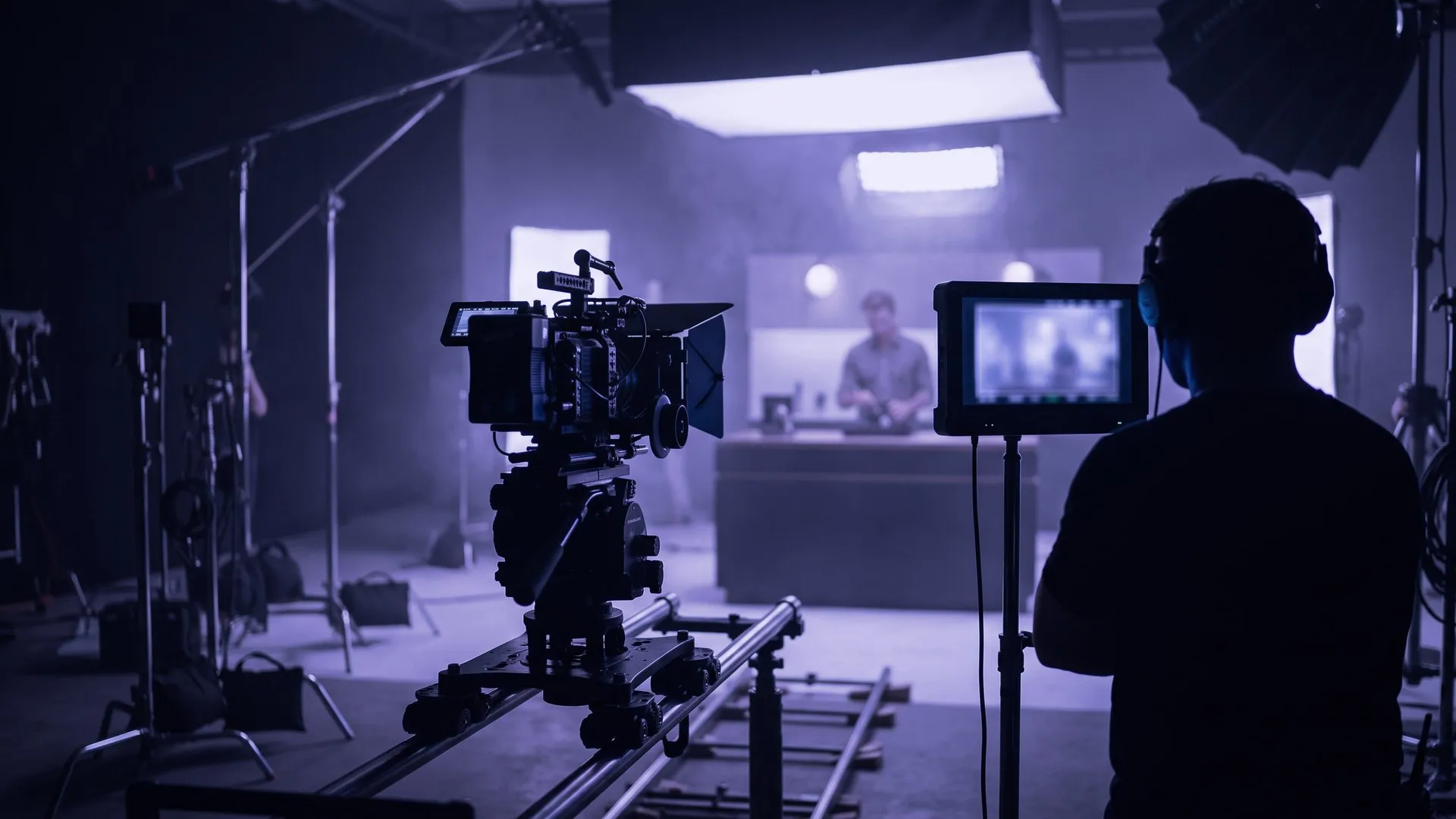
Production is one of the most critical stages for the quality of a commercial. The right equipment, professional shooting techniques and a well-chosen location directly affect the result. Using lighting, sound recording and camera angles correctly gets the most out of picture and sound. It is also wise to have a backup plan for technical problems that may come up on set.
Editing and post-production
After the shoot, editing and post-production begin. This is where the footage is cut together, colour graded and the sound is edited. Effects, graphics and music are added to create the final version. Post-production sets the pace, flow and overall mood of the commercial, and a good post-production process is what makes the film land with impact.
Why test runs and feedback matter
Before launching your commercial, run a test and collect feedback. This lets you evaluate how your target audience responds and make the necessary changes. A test run is a critical step for measuring the film’s impact and spotting weaknesses; improvements based on feedback raise its chance of success.
On digital platforms this test can be measured precisely. Google Ads video experiments show different versions of a commercial to the same audience and compare them on metrics such as conversion rate, cost per view or brand lift (Google Ads Help).
Conclusion
Shooting a commercial is a many-sided job that needs careful planning, a creative concept, professional production and effective post-production. Defining the audience precisely, developing a creative idea, taking care with the script and paying attention to technical details are the basic steps. Test runs and feedback are essential for measuring and improving the effect your commercial has on viewers.
In the digital age, commercials remain one of the most powerful ways for brands to reach and move their audience. Applied well, the tips in this article help you run a successful production, make commercials that hold attention, deliver your message clearly and introduce your brand to a wider audience.
Sources
- TÜİK (Turkish Statistical Institute), Household Information and Communication Technology Usage Survey, 2026.
- Google, Create a video experiment (Google Ads Help).
This article was adapted into English from the Turkish original. Read in Turkish
You may also like
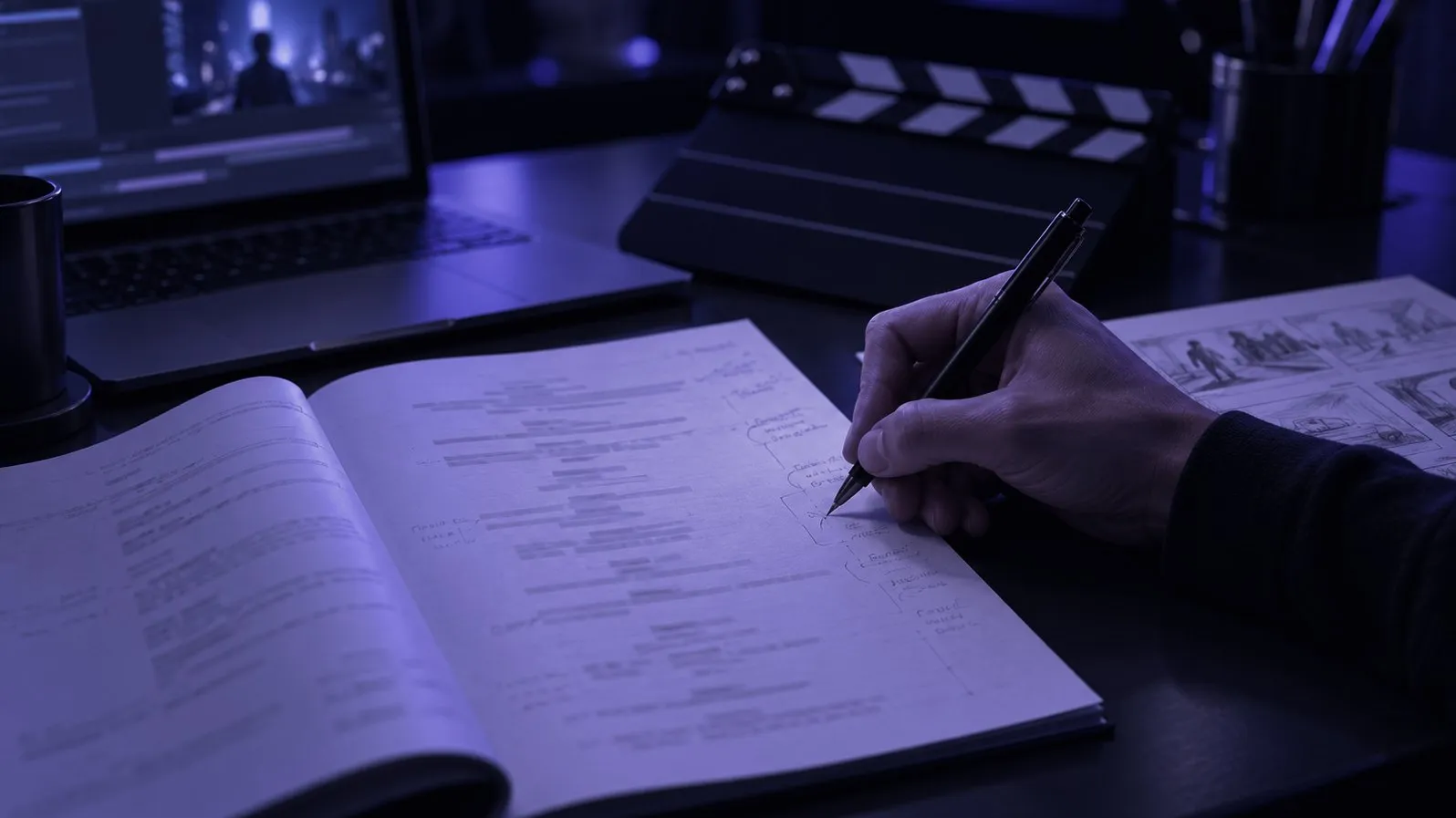
How to Write a Commercial Script That Tells Your Brand’s Story
How to write a commercial script: brand identity, storytelling, natural dialogue, a hook in the first seconds and a clear message, with Google’s ABCD framework.
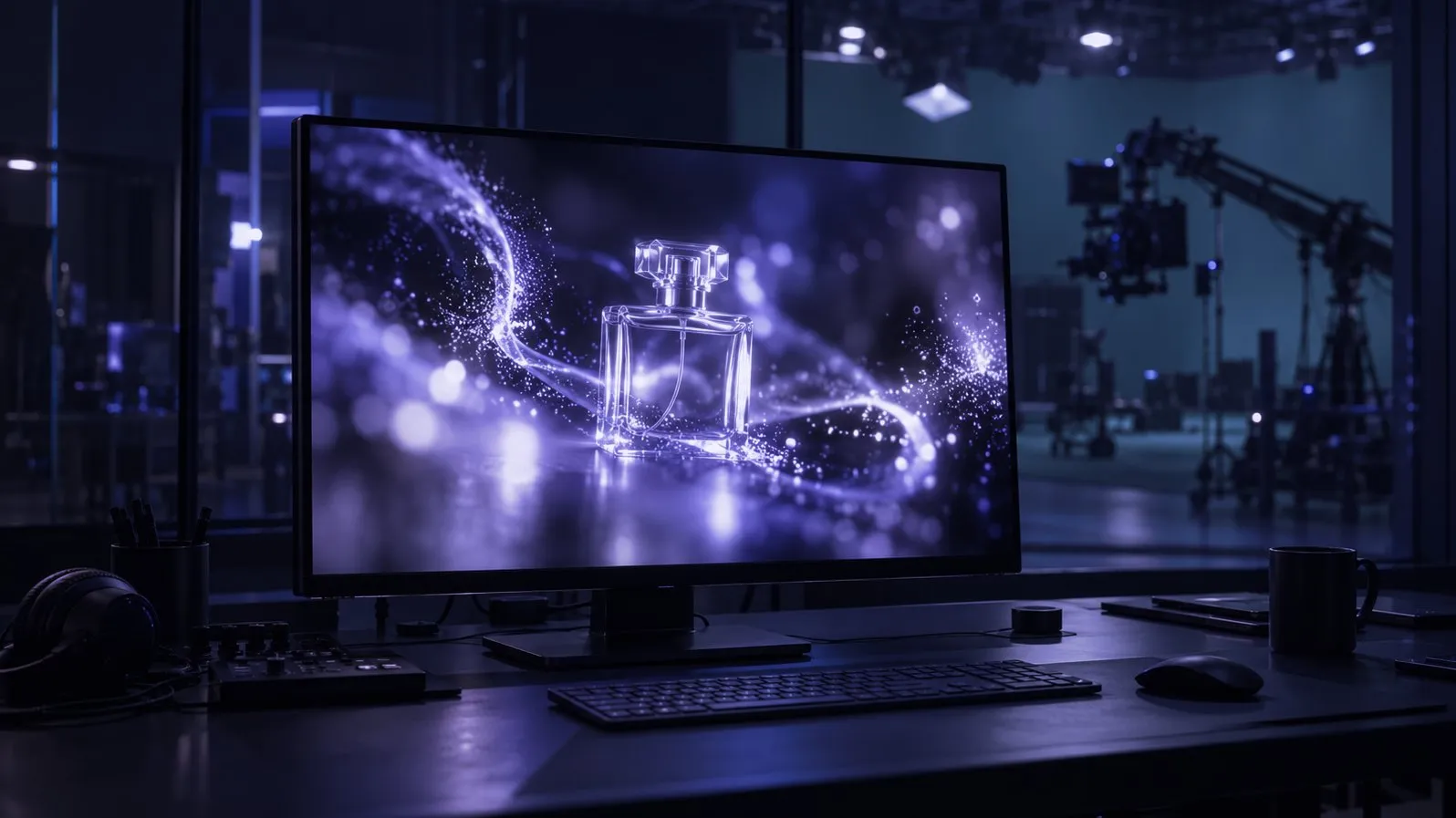
Cinematic Visual Effects: A Creative Way to Make Your Brand Stand Out
What cinematic visual effects (VFX) do for brands: uses in commercials and digital campaigns, the production process, key tools and the trends ahead.
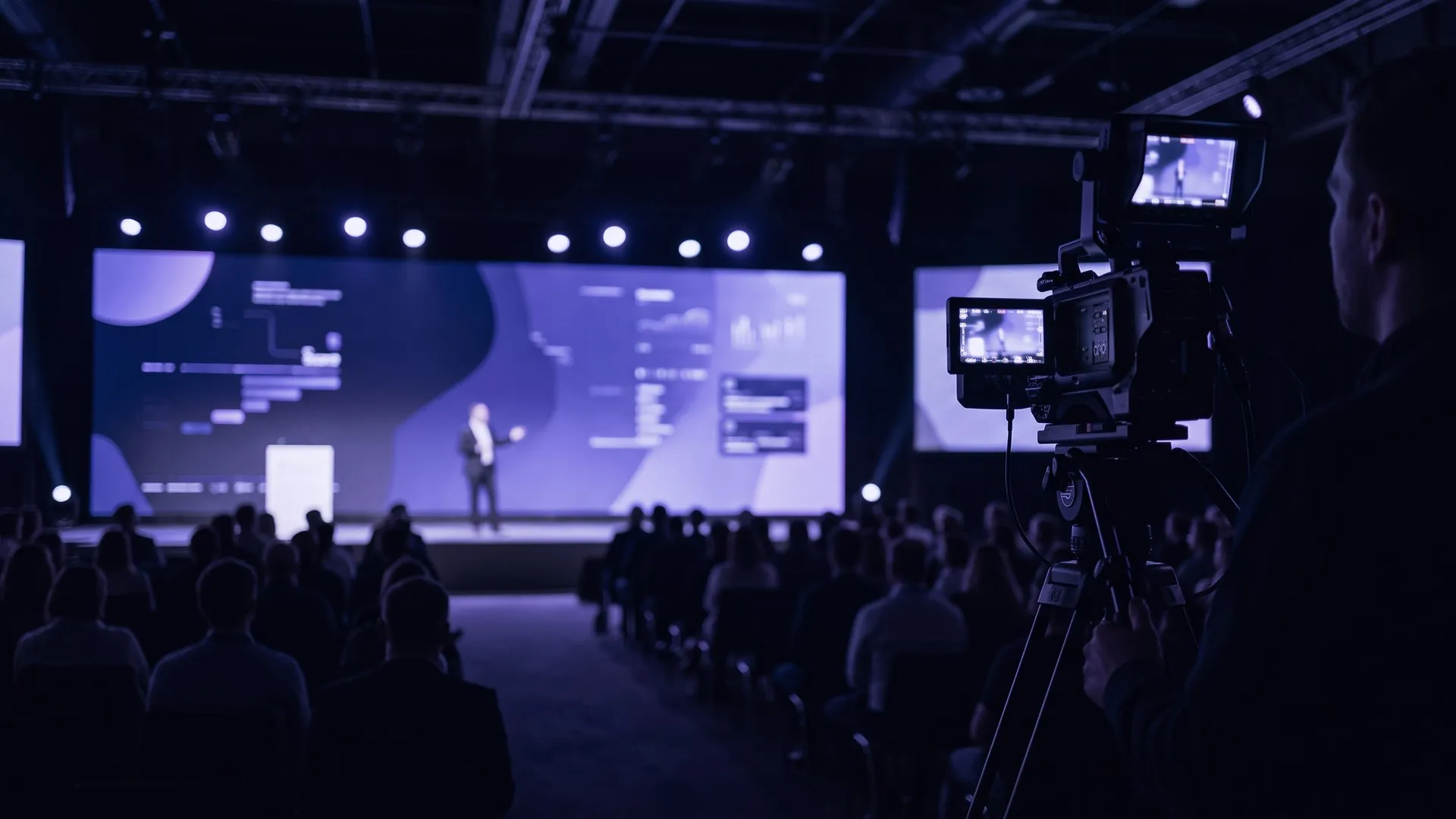
Corporate Event Video Production: A Complete Guide from Planning to Distribution
How to produce a corporate event video: pre-event planning, professional filming, storytelling, editing and distribution, step by step.