Video Editing and Colour Grading: What Makes Footage Look Professional
In short
- Video editing turns raw footage into a meaningful story; it sets the flow, pace and emphasis of a video.
- Colour grading creates a video’s look and emotional tone: warm colours feel welcoming and comfortable, cool colours feel more serious and dramatic.
- A study of 4,598 people in 30 countries shows that colour-emotion associations are largely shared across countries.
- Consistent colour palettes make a brand more recognisable, so brand identity should guide colour grading.
The power of visual storytelling is clearer than ever in the digital age. Video is one of the most effective ways to communicate, for marketing and entertainment alike. But turning raw footage into something that looks professional depends on video editing and colour grading done well. Editing sets the rhythm of the story, while colour grading creates its emotional tone and visual quality. In this article we look at the role editing and colour grading play in professional video, how each is done and what they bring to a business, with practical tips from industry practice.
Video editing: strengthening the story
Editing turns raw footage into a meaningful, effective story. A good edit sets the flow of the video, controls the pace and places the emphasis needed to hold attention. It covers technical steps such as cutting, assembling shots and adding sound and music. Editing is also the critical stage that shapes the overall impression a video leaves on viewers.
How colour grading affects viewers’ emotions
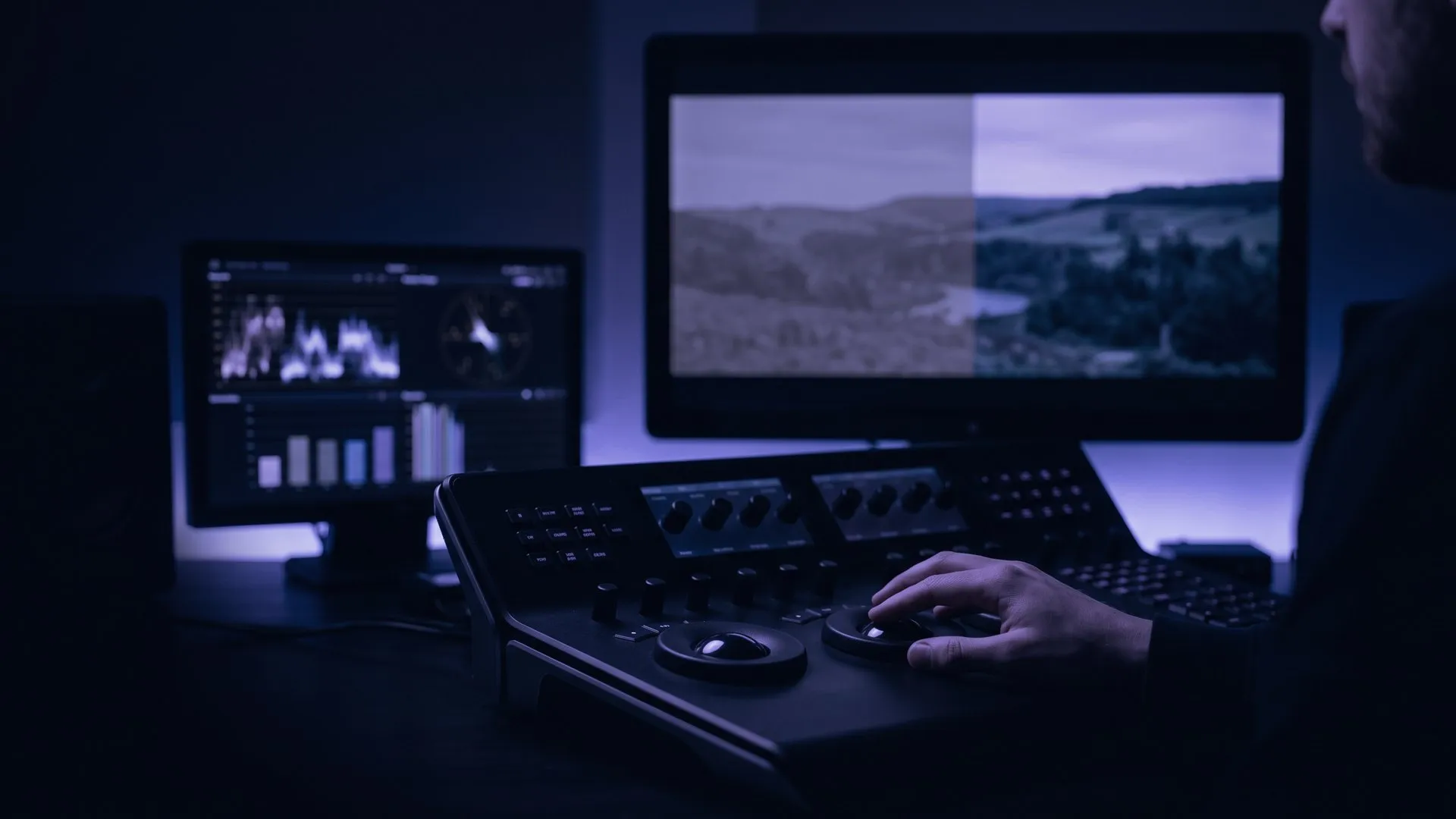
Colour grading creates a video’s look and emotional tone. It involves balancing colours, adjusting shadows and highlights and building a particular style or atmosphere. Grading does more than make a video look good: it guides how viewers feel. Warm colours, for example, create a sense of warmth and comfort, while cool colours give a more serious, dramatic tone.
This link between colour and emotion has been studied scientifically. A study published in Psychological Science compared the emotions that 4,598 participants from 30 countries, speaking 22 native languages, associated with colours; each country’s pattern was very similar to the global average (mean similarity r = 0.88) (Jonauskaite et al., 2020). In other words, grading decisions tend to evoke similar feelings in audiences from different cultures, which is good news for brands speaking to Turkey, the Gulf and Europe at the same time.
Video editing software and techniques
There are many tools for professional editing. Popular programs such as Adobe Premiere Pro, Final Cut Pro and DaVinci Resolve offer powerful features for both editing and colour grading. With user-friendly interfaces and a wide range of features, they make professional-quality video possible, and they offer filters, effects and transitions that make videos more effective.
Colour grading and brand identity
Colour grading is also an effective way to reflect your brand identity and build brand awareness. Using a specific colour palette makes your brand more recognisable and sets your videos apart from others. Colours can send conscious or unconscious messages about your brand. So brand identity should guide the grading process, and colours should be used consistently.
Conclusion
Video editing and colour grading are two key processes in creating professional footage and building brand awareness. Editing creates a flow that holds attention and tells the story well, while colour grading shapes the video’s emotional tone and look. Done right, they make viewers more interested in your videos and strengthen your brand.
Editing and colour grading are not just technical steps; they are powerful tools that shape how viewers feel and reflect who your brand is. Applied well, the techniques in this article help you get the most from your video content.
Sources
- Jonauskaite, D. et al., Universal Patterns in Color-Emotion Associations Are Further Shaped by Linguistic and Geographic Proximity, Psychological Science, 31(10), 2020.
This article was adapted into English from the Turkish original. Read in Turkish
You may also like

Cinematic Visual Effects: A Creative Way to Make Your Brand Stand Out
What cinematic visual effects (VFX) do for brands: uses in commercials and digital campaigns, the production process, key tools and the trends ahead.
Commercial Production Tips: What to Get Right Before, During and After the Shoot
What matters when shooting a commercial? Target audience, creative concept, script, production, post-production and test runs: the essential steps.

Corporate Event Video Production: A Complete Guide from Planning to Distribution
How to produce a corporate event video: pre-event planning, professional filming, storytelling, editing and distribution, step by step.